Safe Validation and Response in Cyber-Physical Systems
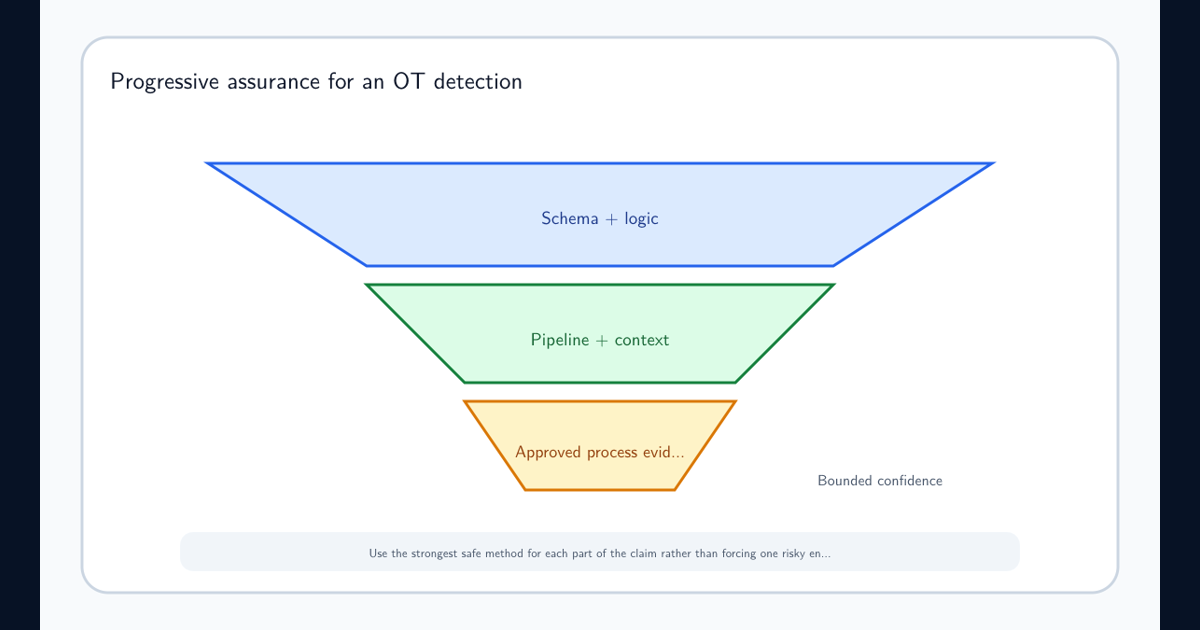
Build confidence in OT detections through progressively stronger, process-approved evidence while keeping validation and response from creating the physical harm they are meant to prevent.
Practical guidance for detection engineering decisions and defensible security work.
65 resources
Build confidence in OT detections through progressively stronger, process-approved evidence while keeping validation and response from creating the physical harm they are meant to prevent.
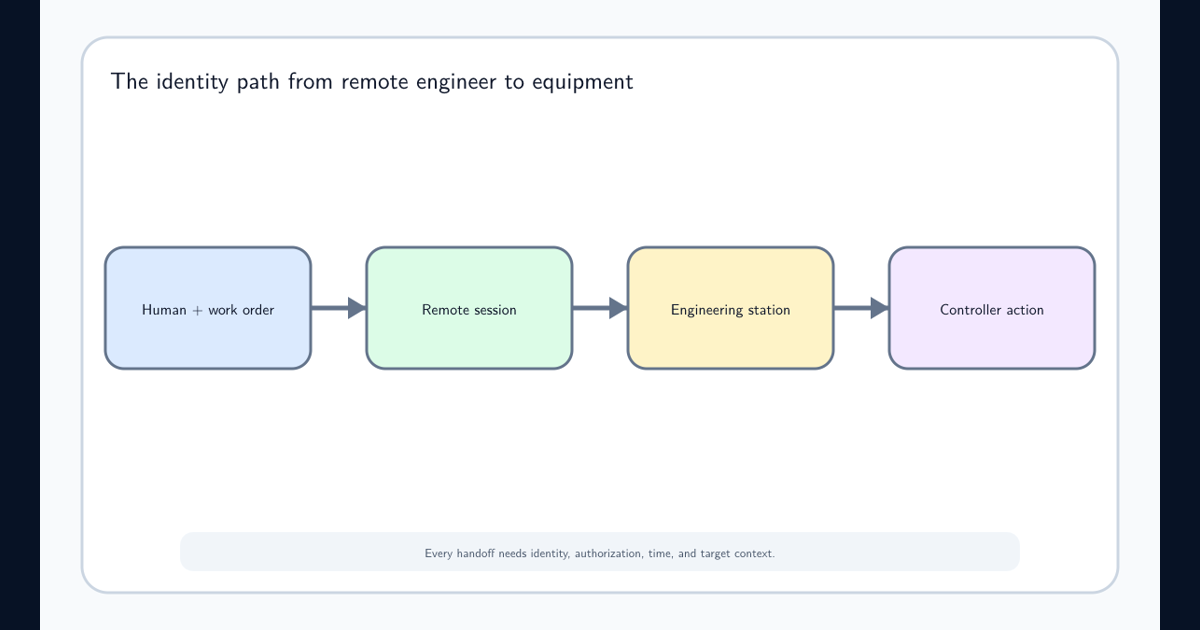
Relate engineers, vendor access, jump hosts, workstations, privileged sessions, controller actions, and work authorization so OT remote access can be interpreted without treating identity su...
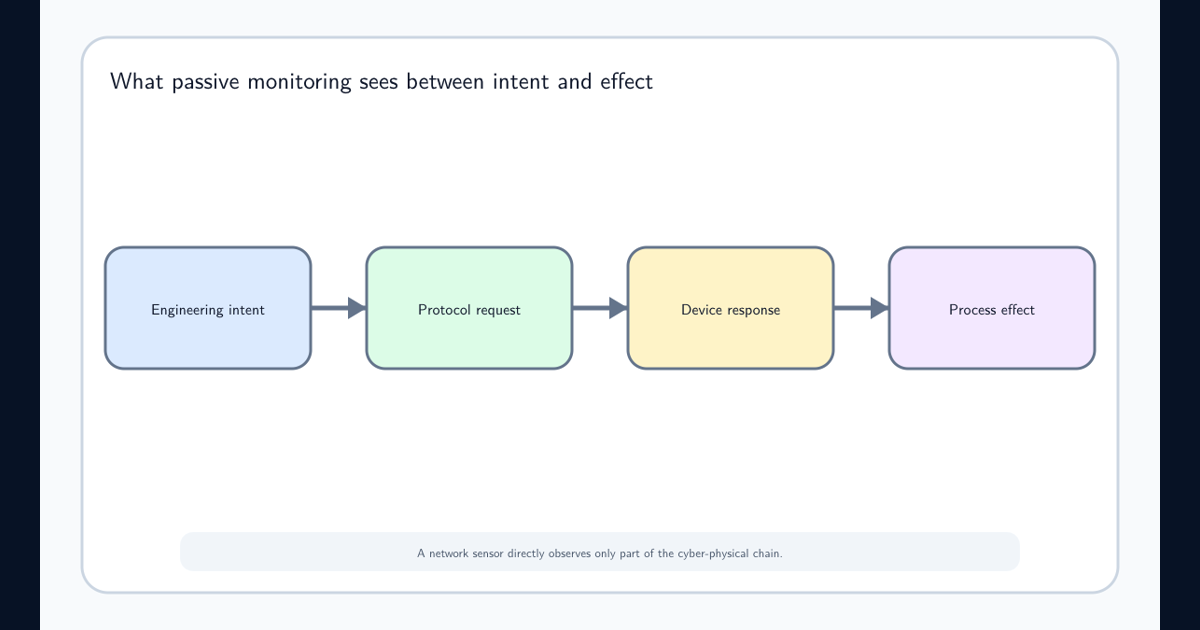
Interpret passive OT network evidence through protocol operations, asset roles, direction, operating mode, and sensor position without confusing an observed request with a completed physical...
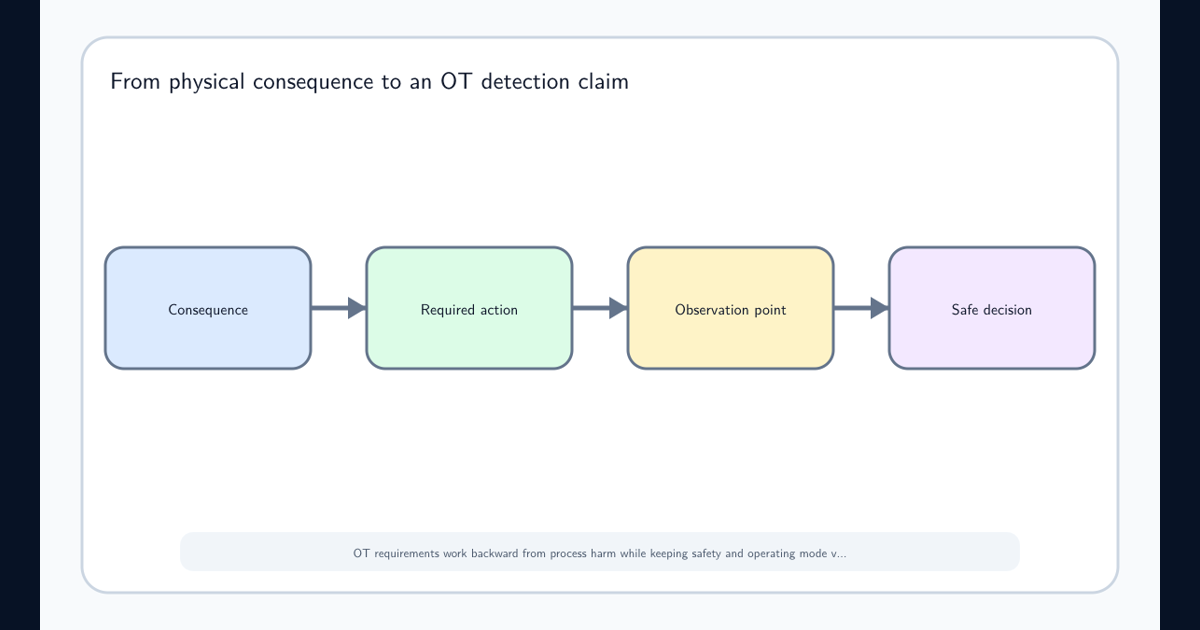
Write OT detection requirements from physical consequence, process state, engineering authority, and safe decision latency rather than importing assumptions from office IT.
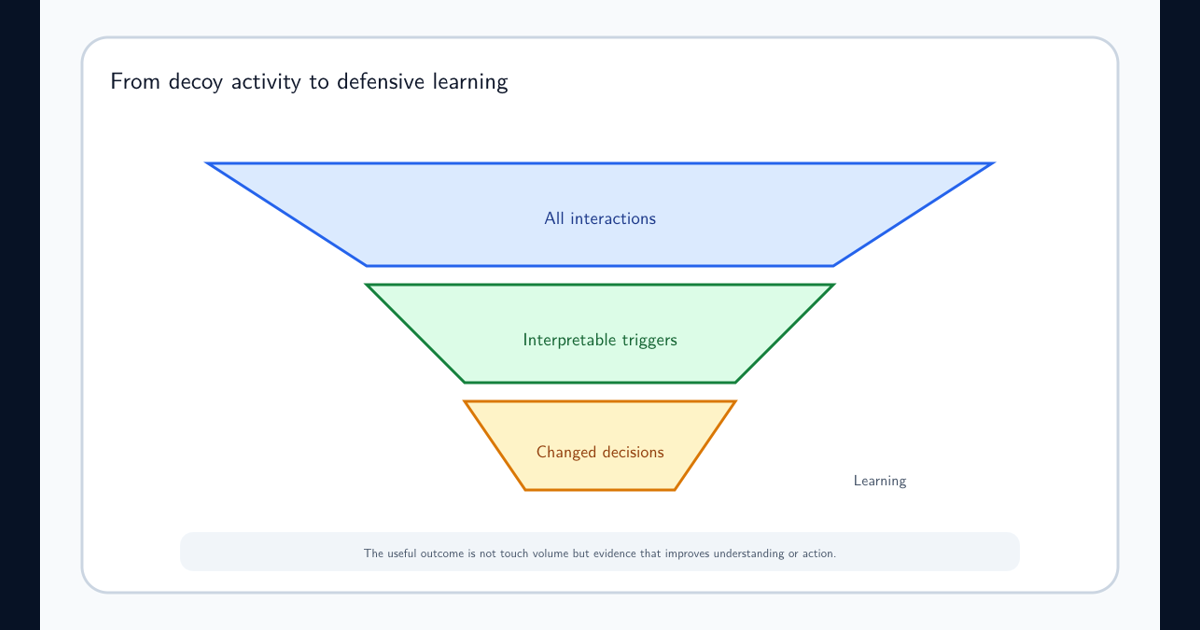
Measure whether deception answers an intelligence question and improves a decision, rather than rewarding trigger volume, deployed-decoy counts, or dramatic stories.
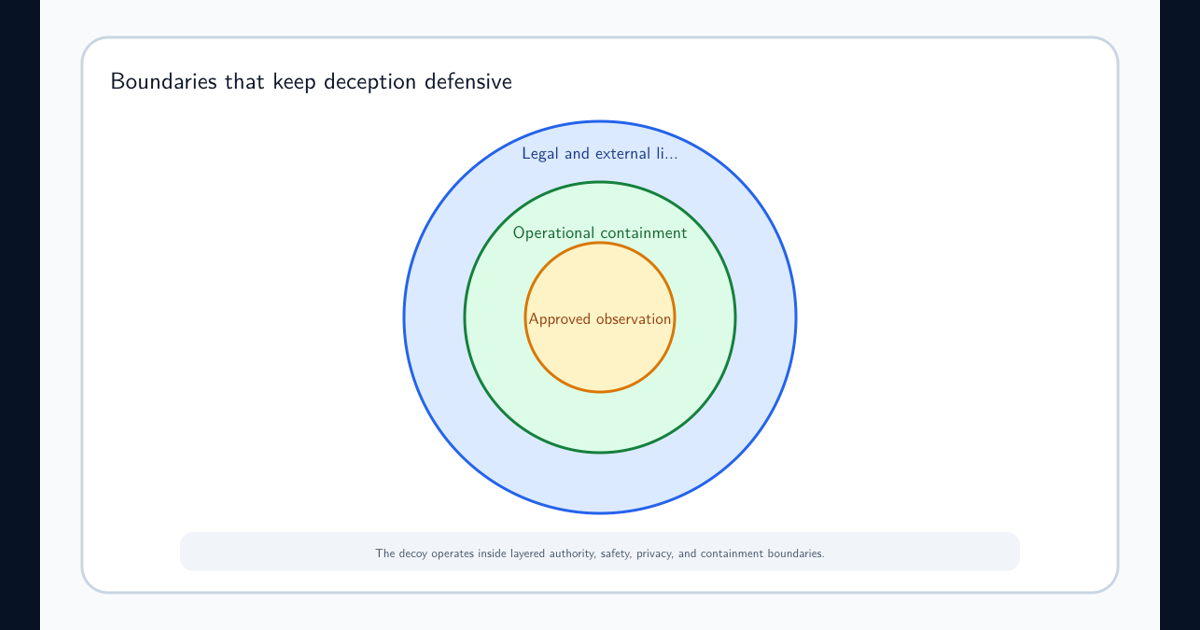
Set technical, legal, privacy, and operational boundaries for defensive deception before deployment so observation never becomes uncontrolled access, collection, or engagement.
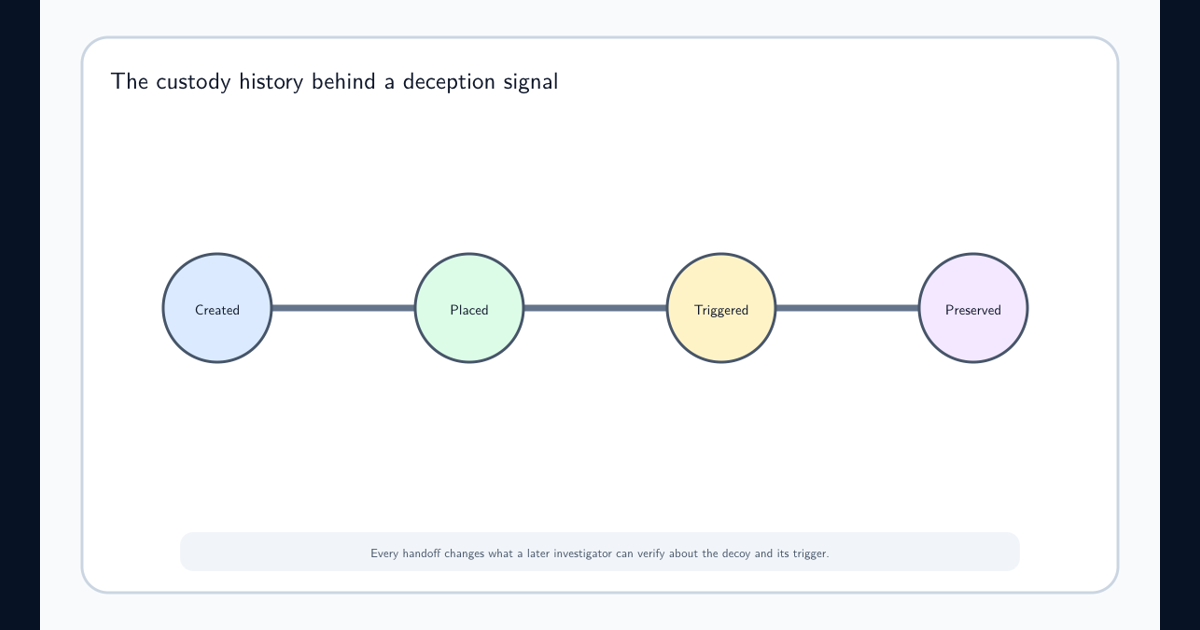
Preserve deception evidence from decoy creation through placement, trigger, collection, transformation, and investigation so a strong signal remains reproducible and defensible.
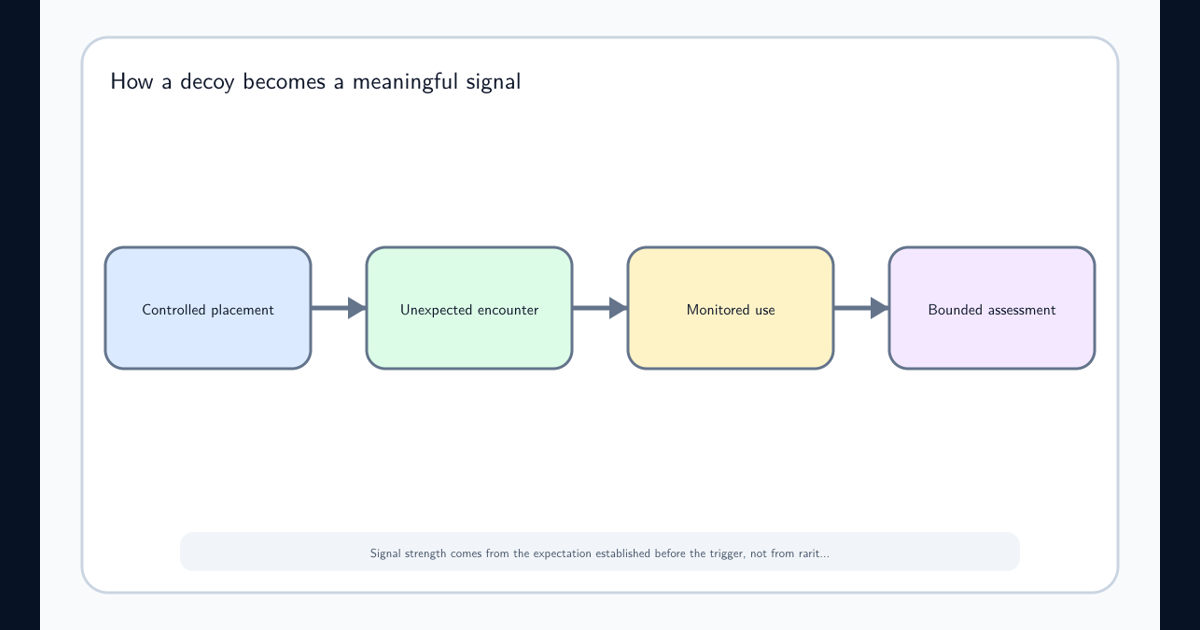
Design honeytokens and decoy resources as controlled security claims whose placement, capability, trigger, and legitimate exposure determine what an interaction can actually prove.
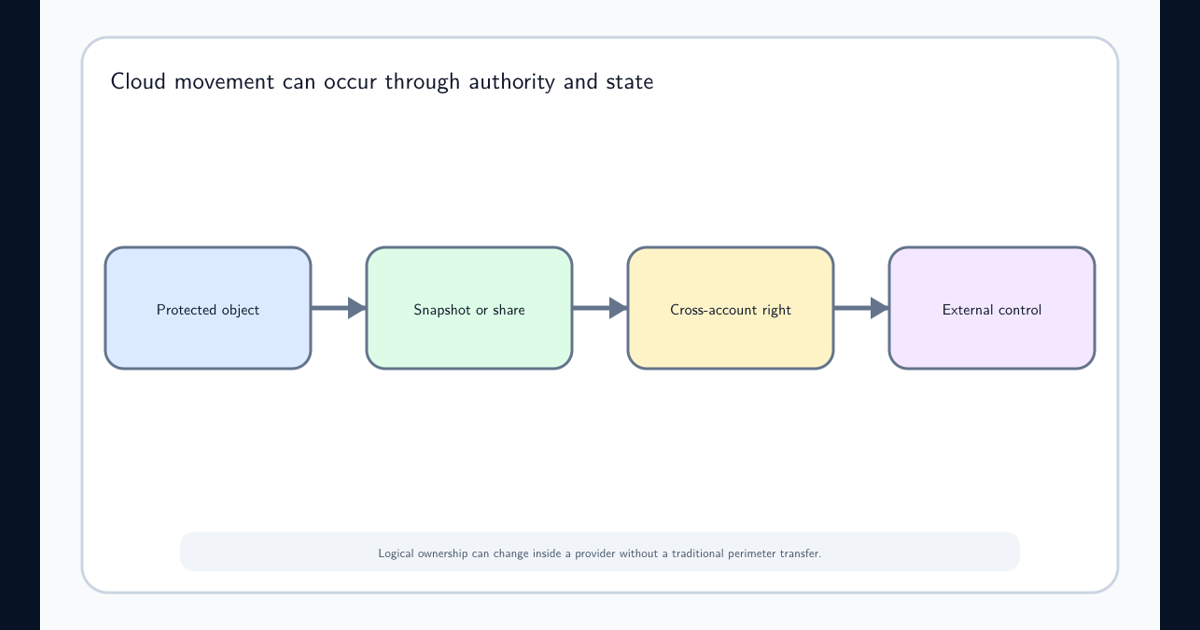
Detect cloud-side data movement through sharing, snapshots, replication, exports, and cross-account copies by following ownership and authority changes that network-only monitoring can miss.
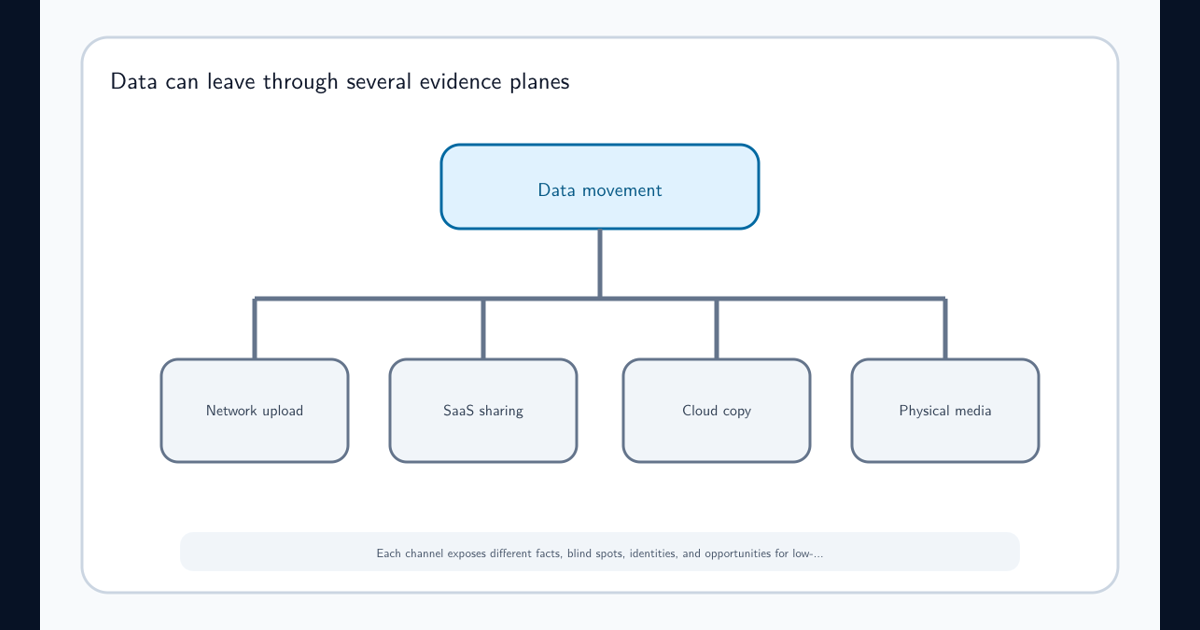
Reason about exfiltration across network, SaaS, cloud, email, removable media, and covert channels by separating transfer-shaped evidence from proof of content and intent.